May 9, 2025
How great UI boosts customer conversion
UI Design
UX Strategy
Business Growth
💡 Introduction
Beautiful design isn’t about aesthetics — it’s about results.
Visuals, structure, and element behavior directly influence how a user perceives a brand, trusts it, and ultimately decides whether to buy, sign up, or submit a form.
Good UI doesn’t just decorate a website — it guides the user along a logical path, minimizing friction, hesitation, and unnecessary clicks.
When design is thoughtful, it works like a silent salesperson, helping users feel confident and comfortable without pushing anything directly.
⏱ The First Second Defines Everything
You never get a second chance to make a first impression.
According to Nielsen Norman Group, users need around 50 milliseconds to form an opinion about a website.
In that moment, they evaluate:
visual balance
readability
contrast
cleanliness of the layout
brand recognizability
If the design looks cluttered, outdated, or inconsistent, trust drops instantly.
That’s why good UI doesn’t start with “beauty,” but with perception: a calm color palette, logical hierarchy, comfortable spacing, and readable typography create a sense of order and professionalism.
A simple structure isn’t boring — it’s confident.
A user must understand where to click and what will happen next.
Thoughtful navigation and familiar visual patterns build trust and make interaction intuitive.
If a page triggers questions like “Where’s the form?” or “How do I go back?”, the UI needs to be reworked.
🎨 Emotion in Interface Design
Good UI is an emotional language.
People instinctively react to colors, rhythm, textures, and animations.
That’s why visual style influences decision-making just as much as the offer itself.
Warm tones and soft transitions → create trust and a sense of closeness
Cool and contrast-heavy palettes → signal professionalism and precision
Micro-interactions (hover effects, smooth responses, click animations) → make the interface feel alive and responsive
Emotional UI helps a brand stand out among dozens of similar websites.
It creates a “brand feeling” — even if the user doesn’t read the text.
Design becomes a visual language of emotions: calmness, confidence, inspiration.
Emotion amplifies logic.
When users feel comfortable and in control — they act more decisively.
📈 Design as a Conversion Tool
Interface design is not decoration — it’s a system that influences conversion.
Every visual decision must have a measurable purpose:
submission form → reduces fear of filling it out
CTA button → placed exactly where attention naturally lands
page structure → follows the AIDA model (Attention → Interest → Desire → Action)
A working UI is always tied to analytics.
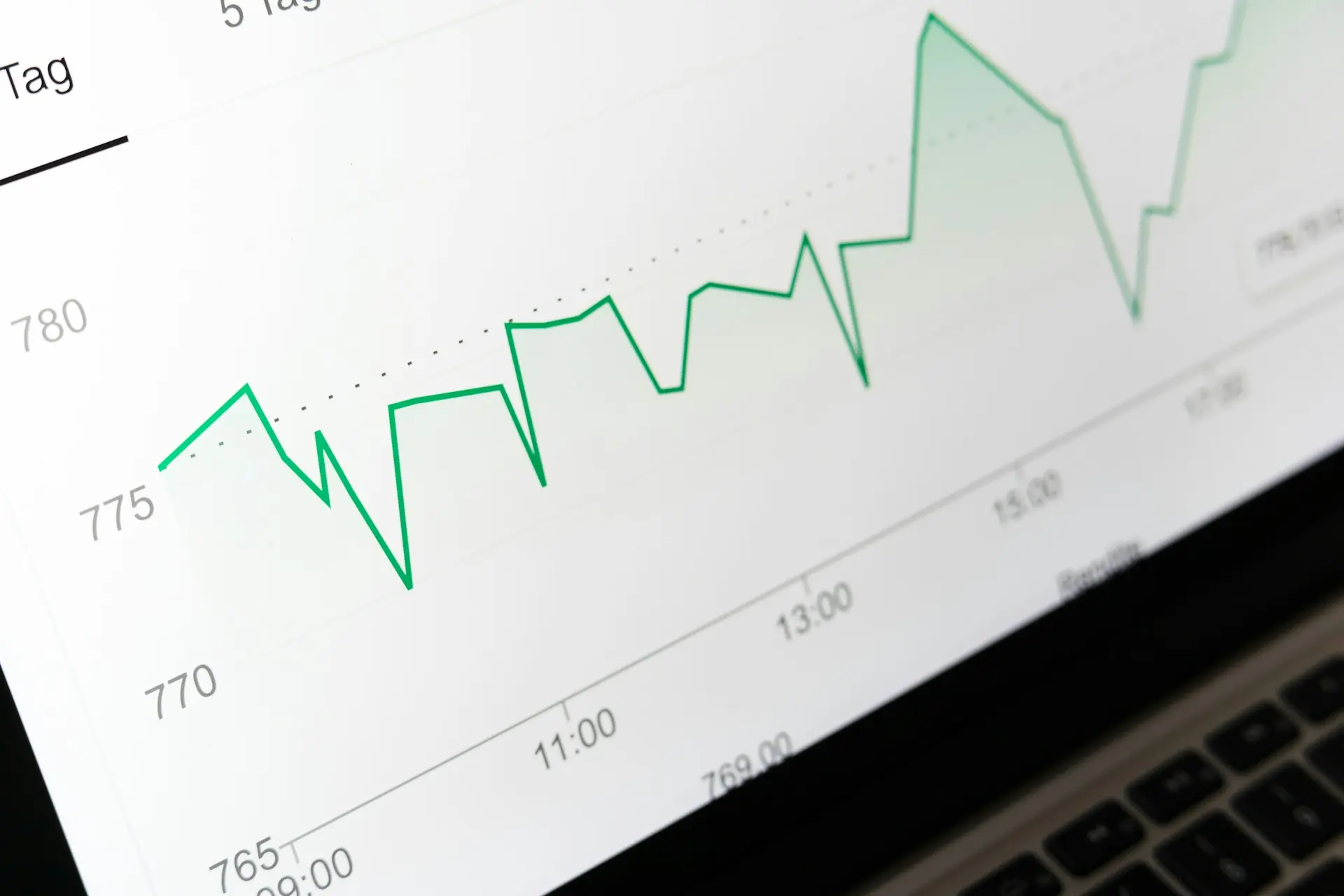
If after a redesign page depth, CTR, and the number of leads increase — the design truly helps the business.
If conversion drops, it’s time to analyze the user journey:
where they get lost, where the interface stops being obvious.
UI is a hypothesis.
Every element can be tested, improved, and measured.
Design stops being an “artist’s intuition” and becomes a business tool.
🔍 Conclusion
The interface is the first thing a person sees — and the last thing they remember.
It builds trust, sets the tone for communication, and directly affects sales.
When UI evokes emotion, simplifies the user journey, and reflects brand values — it becomes a strategic asset, not just a visual wrapper.
Good UI is an invisible force working without words.
It doesn’t demand attention, distract, or pressure — it simply guides the user to action: logically, calmly, beautifully.
Your business deserves more. Let’s do it right.
2025©All rights reserved.
Phone